
The cultural significance of casinos in modern society
Historical Context of Casinos
Casinos have long been a part of human culture, evolving from ancient gambling practices to today’s multi-billion-dollar establishments. Their roots can be traced back to ancient China, where tiles were used for a rudimentary game of chance. Over the centuries, gambling has appeared in various forms across cultures, from Roman dice games to the lottery systems of the Middle Ages. This historical context showcases the deep-seated nature of gambling in social interactions, indicating that the allure of risk and chance has been an integral part of human behavior for centuries. Today, platforms such as Pin-up Bet offer modern solutions for those seeking to immerse themselves in this age-old activity.

As societies evolved, so did the venues for gambling. By the 17th century, the first official casinos emerged in Italy, specifically in Venice. These establishments not only served as places for gambling but also as social hubs where individuals from diverse backgrounds could meet, converse, and engage in entertainment. This early model of casinos as social spaces laid the groundwork for their development into modern entertainment complexes, making them significant in understanding social dynamics and interactions.
The role of casinos expanded dramatically during the 20th century, particularly in places like Las Vegas and Monte Carlo, where they transformed into major tourist attractions. They became symbols of luxury and excess, appealing not just to gamblers but also to those seeking a vibrant nightlife and entertainment experiences. As such, casinos reflect cultural shifts toward leisure and consumerism, illustrating how they serve as microcosms of broader societal trends.
Casinos as Social Spaces
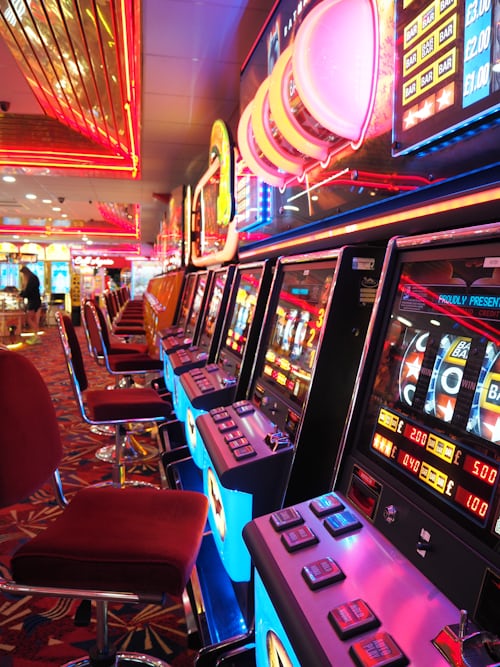
Casinos are much more than places to gamble; they serve as social hubs where people can connect and socialize. The ambiance of a casino is designed to be inviting, with elaborate decor, fine dining options, and entertainment shows that cater to a diverse clientele. The interaction among patrons creates a unique social environment where individuals from different walks of life come together, forming connections over shared experiences. This communal aspect underscores the cultural significance of casinos in modern society, similar to the essence of Pin Up Betting, which emphasizes community engagement.
The phenomenon of casino tourism further highlights their role as social spaces. Cities like Las Vegas have turned into international destinations, attracting millions of visitors annually. These visitors seek not just the thrill of gambling but also the opportunity to engage in social activities ranging from dining to live performances. The casino setting encourages interactions among guests, often leading to friendships or even partnerships, thus reinforcing the idea that casinos play a pivotal role in fostering community and connection.
Moreover, the diverse demographics frequenting casinos often mirror societal changes. As attitudes toward gambling evolve, casinos have become more inclusive environments, welcoming individuals of various age groups, ethnicities, and backgrounds. This inclusivity enriches the social tapestry of casinos and positions them as cultural landmarks that reflect and influence social norms and values.
The Economic Impact of Casinos
The economic implications of casinos in modern society are profound. They generate significant revenue not only for themselves but also for the communities in which they operate. Casinos create thousands of jobs ranging from hospitality and entertainment to management and security, contributing to local economies. This employment boost is vital, particularly in regions with high unemployment rates, showcasing casinos as economic engines for revitalization.
Furthermore, the tax revenue generated from casinos can be substantial. Governments often levy taxes on gambling revenues, which can then be allocated toward public services such as education, healthcare, and infrastructure. This aspect illustrates how casinos can be viewed as a financial boon for society, transforming gambling revenue into funding for essential community needs. The reinvestment of these funds can enhance the quality of life for residents and create a more vibrant economy.
However, the economic benefits of casinos come with caveats. Issues related to problem gambling and addiction can lead to social costs that offset the financial gains. Communities must balance the economic advantages with the need for responsible gambling measures and support systems for individuals affected by gambling-related issues. This complexity highlights the dual nature of casinos as both economic contributors and social challenges.
Cultural Representation and Media Influence
Casinos have permeated popular culture in various forms, from movies and television shows to literature. This cultural representation often amplifies their mystique, portraying them as glamorous and exciting venues filled with high stakes and dramatic tension. Films such as “Casino Royale” and “Ocean’s Eleven” create narratives that romanticize the world of gambling, further embedding casinos into the societal consciousness as symbols of wealth and adventure.
The influence of media on public perception of casinos can be both positive and negative. While these portrayals can enhance the allure of casinos, they may also propagate stereotypes related to gambling addiction and risk-taking behaviors. As a result, the media plays a crucial role in shaping societal attitudes toward gambling and casinos, impacting both cultural significance and individual behaviors.
Moreover, the rise of online casinos and platforms has shifted cultural representations of gambling. The accessibility of online gaming has opened up new conversations about responsible gaming, ethics, and the role of technology in gambling. This evolution highlights how cultural narratives surrounding casinos must adapt to changing societal norms and technological advancements, reflecting the ongoing dialogue between tradition and innovation in the gambling world.
Online Casinos and Their Cultural Impact
The emergence of online casinos has transformed the gambling landscape, impacting cultural perceptions of casinos significantly. Platforms like Pin Up Bet have made gambling more accessible to a wider audience, allowing individuals to engage in betting from the comfort of their homes. This shift not only reflects technological progress but also alters social interactions, as online gambling communities form around shared interests and experiences.
Online casinos have introduced new dynamics into the gambling culture, including convenience and privacy. For many, the ability to gamble without the pressure of a physical environment allows for a more personal and sometimes responsible gaming experience. However, this anonymity also raises concerns about problem gambling, as individuals may find it easier to lose track of their spending and habits. The cultural impact of online gambling thus includes both positive advancements in accessibility and negative ramifications regarding responsible gaming.
Furthermore, the globalization of online casinos has introduced diverse gambling practices from around the world into popular culture. Players can now access various games and betting styles, experiencing cultural elements from different regions. This cross-cultural exchange enriches the overall gambling experience, allowing individuals to learn about and appreciate global gambling traditions while also raising questions about cultural appropriation and respect for original practices.
Comentarios recientes